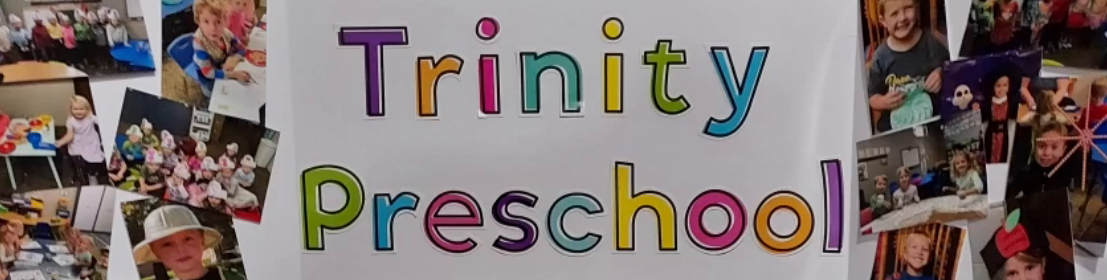
Preschool-aged children are building independence, emotional regulation, empathy, and relationship skills. Our teachers support these skills by clearly explaining expectations and enforcing rules consistently, modeling positive behavior and communication, validating feelings, and using interactive play.
Self Awareness & Self Management
Regulates responses to needs, feelings and events
• Expresses needs, opinions and feelings in a way that is appropriate to the situation
• Names emotions (happy, excited, sad, etc…) and associates them with different
words and behaviors
• Demonstrates ability to modify behavior in different situations
Recognizes self as an individual with unique characteristics, feelings, interests, and abilities
• Describes self using several different characteristics
• Identifies self as being part of a family and identifies family members
• Demonstrates knowledge of own uniqueness (talent, interests, preferences, gender, etc…)
• Exhibits self-confidence by trying new tasks without prompting or reinforcement
• Identifies range of feelings and understands that feelings can change
• Identifies likes and dislikes, needs and wants, strengths and challenges
Social Awareness & Relationships with Others
Demonstrates manners
• Table Manners: Chews with mouth closed and stays seated while eating
• Hygiene: Covers mouth/nose when coughing or sneezing
• Shares materials and toys with other children
• Respects Property: Asks permission before taking toys or items
• Listens: Pays attention when others are speaking
• Cleans Up: Helps to tidy up toys or personal items
• Gentle Behavior: Uses “gentle hands” (not pushing, grabbing, or poking) and “gentle words”
• Magic Words: Uses “please,” “thank you,” and “you’re welcome”
• Respectful Communication: Says “excuse me” to get attention, when interrupting, or to apologize
• Apologizes when appropriate
• Greetings: Says “hello” and “goodbye” or wavingDevelops positive relationships with primary caregivers, teachers, and other familiar adults
• Interacts with familiar adults
• Seeks guidance from primary caregivers, teachers and other familiar adults
• Transitions into unfamiliar setting with the assistance of familiar adults
Develops positive relationships with their peers
• Approaches children already engaged in play
• Interacts with other children in play, conversation, etc…
• Shares materials and toys with other children
• Sustains interactions by cooperating, helping, and suggesting new ideas for play
• Develops friendship with one or more peers
• Offers support to another child or shows concern when a peer appears distressed
Demonstrates problem-solving skills in social interactions
• Seeks input from others about a problem
• Uses multiple strategies to resolve conflicts (trade, take turns, problem-solves)
• Uses and accepts compromise
Decision-Making Skills
Understands and follows routines and rules
• Displays an understanding of the purpose of rules
• Engages easily in routine activities (story time, snack time, circle time)
• Uses materials purposefully, safely and respectfully as set by group rules
• Understands that breaking rules has a consequence
• Applies rules in new, but similar situations
• Demonstrates the ability to create new rules for different situations
Adaptability
Adapts to change
• Easily separates themselves from parent or caregiver
• Transitions, with minimal support, between routine activities and new/unexpected occurrences
• Can adjust behavior for different settings and/or events
• Uses multiple adaptive strategies to cope with change (seeking social support from an adult or peer,
taking deep breaths, engaging in another activity)